
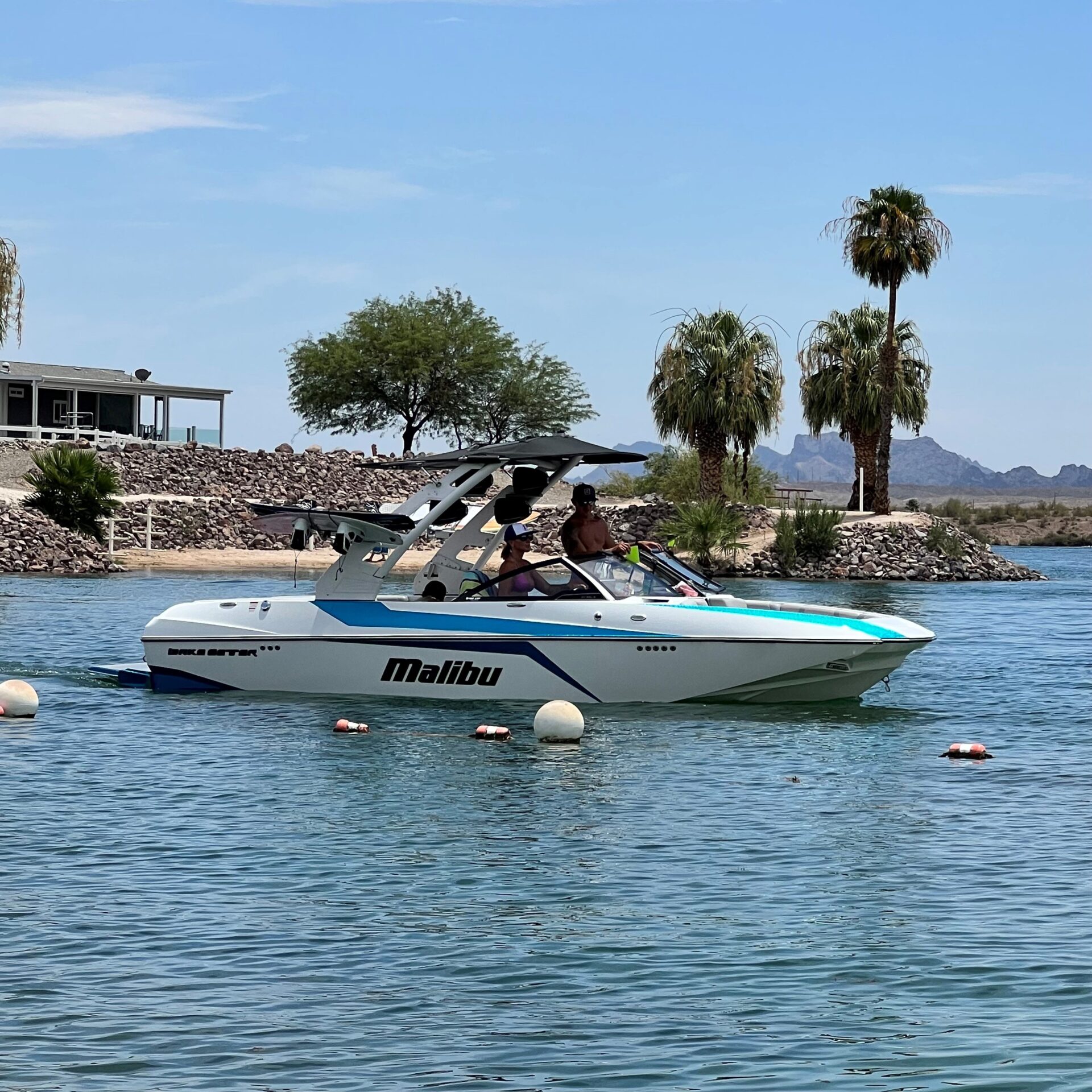
 As summer approaches and open waters beckon, it is important to consider a unique aspect of estate planning that can often be overlooked—your boats and watercraft. These vessels bring you joy and unforgettable memories, but they also warrant special attention when it comes to safeguarding your legacy as part of your comprehensive estate plan.
There are several estate planning strategies that can be tailored specifically to handling boats and other vessels or personal watercraft. By implementing these strategies, you can ensure a seamless transition of ownership, mitigate potential tax burdens, avoid family squabbles, and pave the way for future generations to enjoy the pleasures of being out on the open water.
One planning strategy is to use a trust structure for boat ownership. Setting up a trust can be an effective strategy to maintain control over your boat while simplifying the transfer process. A revocable living trust allows you to retain enjoyment during your lifetime while designating beneficiaries who will inherit the boat upon your passing. This approach helps bypass probate, ensuring a smoother transition plan for managing and distributing the boat after your passing and potentially minimizing costs. It is important to note, however, that holding a boat in a trust may not be ideal from a liability perspective. In case of accidents or damages that result in injury or death, trial lawyers may try to pursue damages beyond liability insurance coverage limits based solely on the fact that the boat is owned by a trust. Additionally, transferring the boat to a trust could potentially incur state or local taxes at the transfer and may increase insurance premiums.
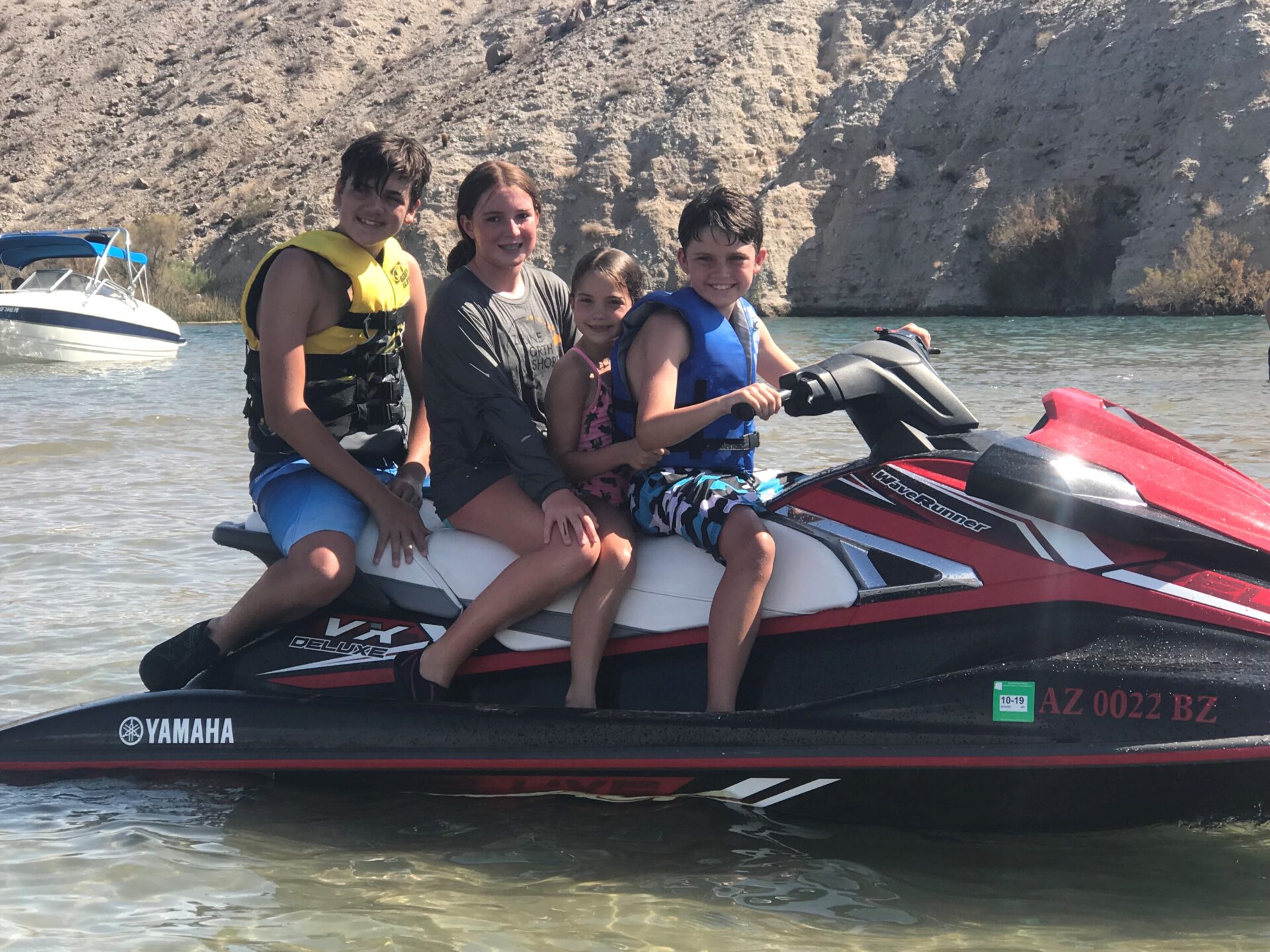 Another planning strategy involves using gifting and lifetime transfers. If you wish to pass on your boat during your lifetime, gifting or lifetime transfers can be viable options. By transferring ownership of a boat to family members or loved ones, you can experience firsthand the joy of gifting it while also potentially reducing estate taxes by removing the boat from your taxable estate. The downsides to this approach are that you may need to file a gift tax return, the boat may become subject to the gift recipient’s creditors, and you will not have any further control over the boat once the gift is completed.
A third planning strategy that is becoming more popular with boat owners is the use of a limited liability company (LLC). Establishing an LLC can offer significant benefits when it comes to managing and transferring boat ownership. By placing a boat into an LLC, you could use a trust to own a membership interest in the LLC. This approach may provide personal liability protection by separating the boat’s ownership from your personal accounts and property. However, it is essential to understand not only how changing ownership will impact insurance premiums but also any other legal and financial considerations specific to your jurisdiction. For example, securing adequate insurance coverage is essential to protect your boat and ensure a smooth transition in the event of an unexpected loss. Whichever planning strategy you employ, it is crucial that you work closely with a qualified estate planning professional who can tailor these strategies to your specific needs and goals. By proactively addressing the complexities of boat ownership in your estate plan, you can sail through life’s adventures with peace of mind.