
Types of Life Insurance and How They Can Be Used in Estate Planning

When coordinated with your estate plan, the right type of life insurance can provide you with peace of mind and meaningful financial protection for your loved ones if you die unexpectedly.
The “Death Box”: One Step That Can Make a Difficult Time Easier for Your Loved Ones

Losing a loved one is challenging enough without added complications. One way you can take some of the pain out of administering your estate is by preparing a death box, also called a death binder, next-of-kin box, or legacy folder. It serves as a centralized place to organize important information and documents in a productive, practical way, ensuring that all necessary paperwork is kept in a single location and that those who need it know where to find it.
Celebrate Your Life Your Way: How to Make Funerals and Memorials Meaningful
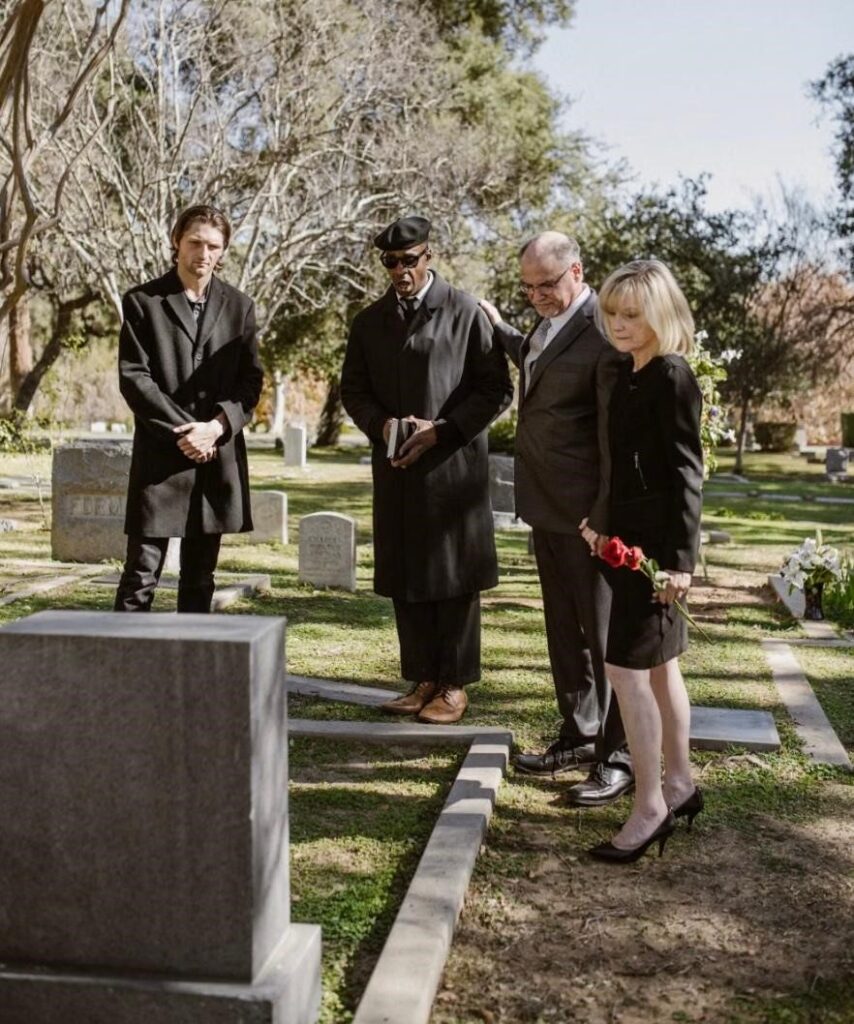
For many families, traditional services offer comfort and continuity; for others, a conventional funeral may feel disconnected from the life being honored. In addition to options such as cremation, more Americans are exploring memorial alternatives that include celebrations of life and even living funerals. Whatever your preferences, you may wish to plan for your memorial services well ahead of time.
Love, Loss, and Legacy: Handling Sentimental Belongings After the Death of a Loved One

While your estate plan may describe in detail who will receive big-ticket items, your loved ones may argue over small nostalgic items that you unintentionally omitted. To prevent family strife and forestall bickering among your loved ones, you also need to think in a big-picture way about the little things in your estate.
Committed, Protected, Prepared: Estate Planning Tips for Unmarried Partners
If you and your partner choose not to marry, you must have an estate plan tailored to your individual situation. Without an estate plan, your partner generally has no legal authority to make decisions for you if you become injured or incapacitated (unable to manage your own affairs) or to inherit from you when you pass away.
When Is an Estate Subject to State Death Taxes?

State-level estate and inheritance taxes (often referred to collectively as death taxes) can significantly impact how much ultimately passes to a person’s loved ones, making it essential to understand state death tax rules when creating a comprehensive estate plan.
Why Deathbed Planning Might Give You Additional Grief

None of us likes to think about our own death or enjoys planning for that occasion. However, if you do not create an estate plan or fail to update it […]
Common Estate Planning Mistakes and How to Avoid Them
Even those with the best of intentions can fall into the trap of estate planning misinformation. Estate planning attorneys frequently hear rumors and ill advice disguised as facts.
Does My Family have to Pay My Credit Cards when I Die?
Especially with the average U.S. household having $7,027 in revolving credit card debt and Americans owing a total of $416.1 billion in credit card debt, according to a recent Nerdwallet study, some Americans will have credit card debt for the rest of their lives. However, what happens to credit card debt when you die?
Divorce, Death and Details: Missteps can Create Estate Planning Disasters
After the divorce, Mike logged onto the employer’s benefits system and tried, but failed, to delete Wendy as the beneficiary of his life insurance.